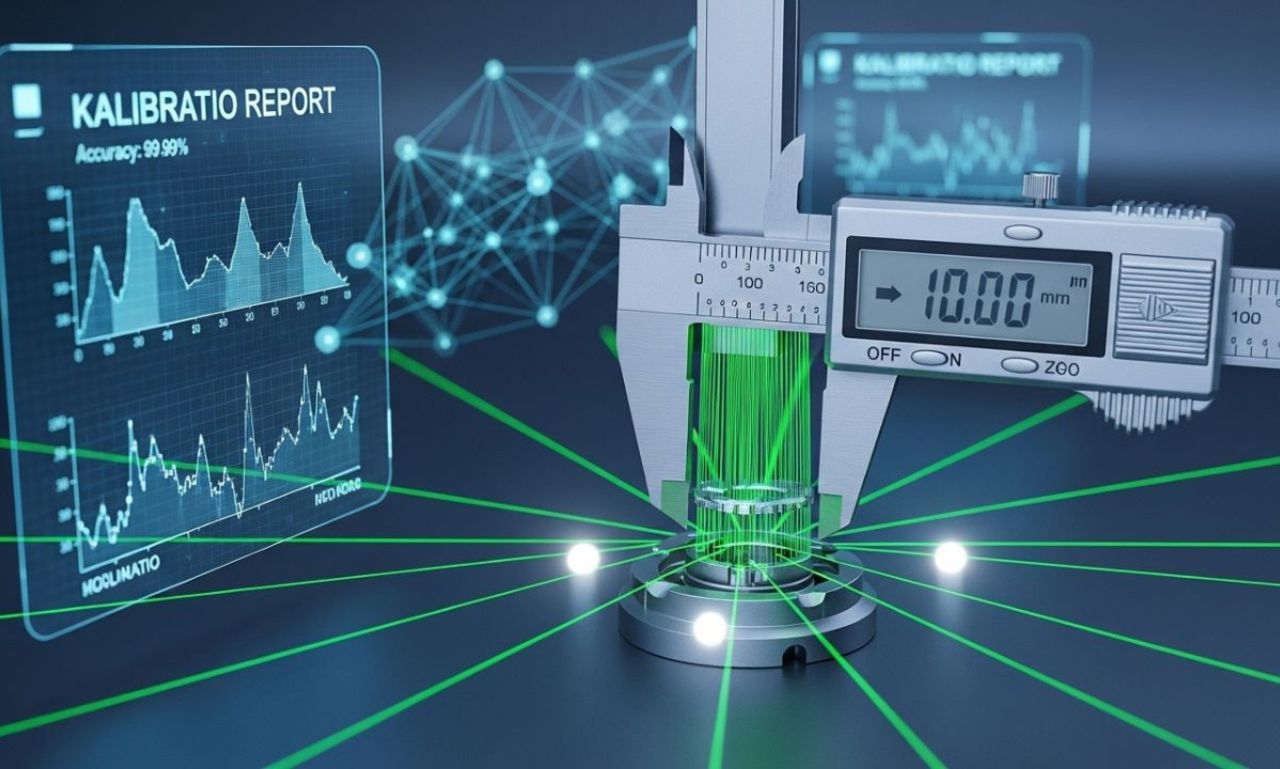
Kalibraatio is the Finnish word for calibration, a critical process used to ensure the accuracy, reliability, and consistency of measuring instruments and equipment. From manufacturing plants and laboratories to healthcare facilities and engineering projects, calibration plays an essential role in maintaining precise measurements and operational efficiency.
As industries increasingly rely on data-driven decisions and advanced technologies, the importance of kalibraatio continues to grow. This article explores the meaning of kalibraatio, its applications, benefits, and why it remains a cornerstone of quality assurance across various sectors.
What Is Kalibraatio?
Kalibraatio, or calibration, is the process of comparing a measuring instrument’s output against a known standard to determine its accuracy. If discrepancies are found, adjustments can be made to ensure the instrument produces correct measurements.
The goal of calibration is to minimize errors and ensure that equipment performs according to established standards and specifications.
Why Is Calibration Important?
Accurate measurements are essential in nearly every industry. Even small inaccuracies can lead to significant consequences, including:
- Product defects
- Safety risks
- Compliance issues
- Financial losses
- Reduced operational efficiency
Regular calibration helps organizations maintain confidence in their equipment and measurement systems.
How Calibration Works
The calibration process typically involves several steps:
1. Establishing a Reference Standard
A highly accurate and certified standard is used as the benchmark for comparison.
2. Testing the Instrument
The measuring device is tested against the reference standard to identify any deviations.
3. Recording Results
Technicians document measurement differences and assess whether the equipment remains within acceptable tolerances.
4. Making Adjustments
If necessary, adjustments are performed to improve measurement accuracy.
5. Verification
After adjustments, the instrument is tested again to confirm proper performance.
Industries That Depend on Kalibraatio
Manufacturing
Manufacturers rely on precise measurements to maintain product quality and consistency. Calibration ensures production equipment operates accurately.
Healthcare
Medical devices such as thermometers, blood pressure monitors, and diagnostic equipment require regular calibration to ensure patient safety and reliable results.
Laboratories
Scientific research depends on accurate measurements. Calibration helps maintain the integrity of experiments and analytical testing.
Aerospace
Aircraft systems require extremely precise measurements to ensure operational safety and regulatory compliance.
Energy Sector
Power plants and energy facilities use calibrated instruments to monitor performance and maintain operational efficiency.
Construction and Engineering
Measurement tools used in surveying, design, and construction must be calibrated to prevent costly errors and structural issues.
Types of Calibration
Mechanical Calibration
Used for tools and instruments that measure physical dimensions, force, pressure, or weight.
Electrical Calibration
Applies to electrical testing equipment such as multimeters, oscilloscopes, and voltage meters.
Temperature Calibration
Ensures thermometers and temperature sensors provide accurate readings.
Pressure Calibration
Used for instruments that monitor pressure in industrial systems and manufacturing environments.
Flow Calibration
Ensures accurate measurement of liquid and gas flow rates in various applications.
Benefits of Regular Calibration
Improved Accuracy
Calibration ensures measurements remain consistent and reliable.
Enhanced Product Quality
Accurate equipment contributes to higher-quality products and fewer production defects.
Regulatory Compliance
Many industries must comply with strict standards and regulations that require regular calibration.
Reduced Downtime
Well-maintained equipment is less likely to experience unexpected failures.
Cost Savings
Preventing errors and improving efficiency can significantly reduce operational costs over time.
Challenges in Calibration
While calibration provides many benefits, organizations may face challenges such as:
Equipment Downtime
Calibration may temporarily remove equipment from service.
Cost Considerations
Professional calibration services and certified standards require investment.
Documentation Requirements
Industries often require detailed calibration records for audits and compliance purposes.
Environmental Factors
Temperature, humidity, and other environmental conditions can affect measurement accuracy.
Digital Transformation in Calibration
Modern calibration practices increasingly utilize advanced technologies, including:
- Automated calibration systems
- Digital recordkeeping
- Cloud-based calibration management
- Predictive maintenance tools
- Internet of Things (IoT) monitoring
These innovations help improve efficiency and reduce the risk of human error.
Best Practices for Effective Kalibraatio
Organizations can maximize calibration effectiveness by:
- Establishing regular calibration schedules.
- Using certified reference standards.
- Maintaining accurate records.
- Training personnel properly.
- Monitoring environmental conditions.
- Following industry regulations and standards.
These practices help ensure consistent measurement reliability.
The Future of Kalibraatio
As technology advances, calibration processes are expected to become more automated, intelligent, and integrated with digital systems. Future developments may include:
- AI-assisted calibration analysis
- Real-time equipment monitoring
- Remote calibration verification
- Enhanced predictive maintenance
- Greater automation across industries
These innovations will continue improving accuracy and operational performance.
Conclusion
Kalibraatio is a fundamental process that ensures the accuracy, reliability, and consistency of measurement systems across numerous industries. From healthcare and manufacturing to engineering and scientific research, calibration plays a crucial role in maintaining quality, safety, and compliance.
As businesses increasingly rely on precise data and advanced technologies, the importance of regular calibration will continue to grow, making kalibraatio an essential component of modern industrial and technological operations.