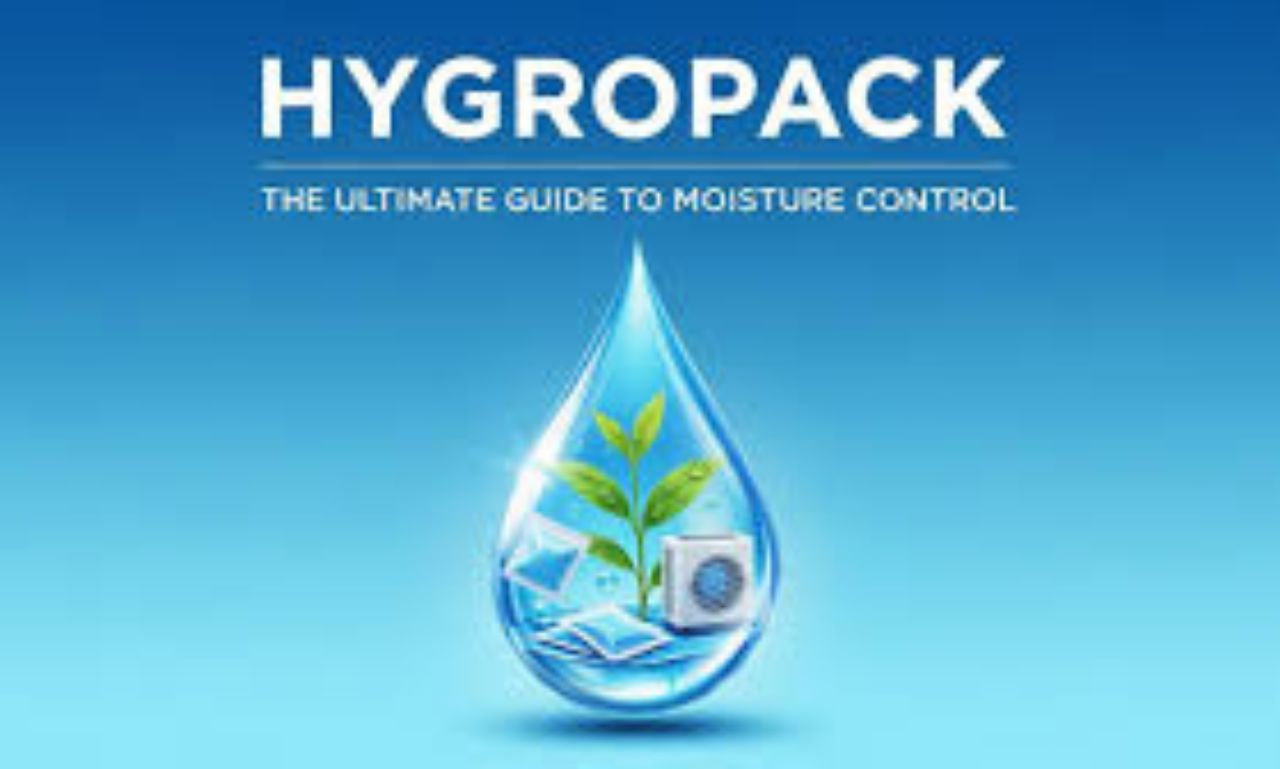
Hygropack is a term commonly associated with moisture-control and humidity-regulating packaging solutions used across multiple industries. As businesses increasingly focus on product preservation, storage quality, and shelf-life improvement, Hygropack systems have gained attention for their ability to protect sensitive products from environmental damage.
From pharmaceuticals and electronics to food products and industrial materials, Hygropack solutions play an important role in maintaining product integrity during transportation and storage.
This article explores what Hygropack means, how it works, its applications, benefits, and why moisture-control packaging has become essential in modern industries.
What Is Hygropack?
Hygropack generally refers to specialized packaging technology designed to control humidity and moisture levels inside sealed environments. The term combines:
- “Hygro” — related to moisture or humidity
- “Pack” — referring to packaging systems
Hygropack products are typically used to:
- Absorb excess moisture
- Maintain stable humidity
- Prevent contamination
- Protect sensitive materials
These packaging systems often include desiccants, humidity regulators, or advanced barrier materials.
How Hygropack Works
Hygropack systems operate by controlling the amount of moisture inside packaging containers. This is important because excessive humidity can damage products through:
- Mold growth
- Corrosion
- Spoilage
- Chemical degradation
- Reduced shelf life
Moisture Absorption
Many Hygropack solutions contain desiccant materials such as:
- Silica gel
- Clay minerals
- Activated carbon
- Molecular sieves
These materials absorb moisture from the surrounding environment to maintain safe humidity levels.
Humidity Regulation
Advanced Hygropack systems may also regulate humidity instead of simply removing it completely. This is especially important for products requiring balanced moisture conditions.
Industries That Use Hygropack
1. Pharmaceutical Industry
Medicines and medical devices are highly sensitive to humidity. Hygropack systems help protect:
- Tablets
- Capsules
- Diagnostic equipment
- Laboratory materials
Proper moisture control helps maintain product effectiveness and safety.
2. Food Packaging
Food manufacturers use Hygropack solutions to:
- Extend shelf life
- Prevent spoilage
- Maintain freshness
- Reduce bacterial growth
Common examples include:
- Snack foods
- Dried fruits
- Coffee products
- Spices
3. Electronics Industry
Electronic components are vulnerable to moisture damage, which can cause:
- Corrosion
- Circuit failure
- Reduced performance
Hygropack materials help protect:
- Microchips
- Circuit boards
- Sensors
- Industrial electronics
4. Industrial and Manufacturing Applications
Industries use moisture-control packaging to preserve:
- Machinery parts
- Chemicals
- Textiles
- Optical equipment
- Automotive components
This is especially important during international shipping and long-term storage.
Benefits of Hygropack Packaging
Product Protection
The primary advantage of Hygropack systems is protection against environmental moisture damage.
Longer Shelf Life
Moisture control helps products remain stable and usable for longer periods.
Improved Product Quality
Maintaining proper humidity levels preserves product appearance, texture, and performance.
Reduced Financial Losses
Businesses can avoid product spoilage, returns, and damage-related losses.
Better Storage and Transportation
Hygropack solutions are especially valuable for global shipping where products experience changing climates and humidity conditions.
Types of Hygropack Solutions
Several forms of moisture-control packaging are commonly used.
Desiccant Packs
Small packets placed inside packaging to absorb humidity.
Humidity-Control Packs
Specialized packs designed to maintain a balanced humidity level rather than eliminating all moisture.
Barrier Packaging
Packaging materials engineered to block moisture from entering sealed products.
Vacuum-Sealed Systems
These reduce air exposure and minimize humidity-related contamination.
Why Moisture Control Matters Today
Modern supply chains often involve:
- International transportation
- Long storage periods
- Changing climate conditions
- Sensitive technological products
As a result, moisture management has become increasingly important for businesses worldwide.
Consumers also expect products to remain:
- Fresh
- Safe
- Functional
- High-quality
Hygropack solutions help companies meet these expectations efficiently.
Environmental Considerations
Many modern Hygropack manufacturers are now developing:
- Recyclable packaging
- Eco-friendly desiccants
- Sustainable materials
- Reduced-plastic solutions
Sustainability is becoming a major focus within the packaging industry as environmental concerns continue to grow.
Future of Hygropack Technology
The future of Hygropack systems may include:
- Smart humidity sensors
- AI-driven storage monitoring
- Biodegradable moisture-control materials
- Advanced nanotechnology packaging
As industries continue evolving, demand for intelligent packaging solutions is expected to increase significantly.
Conclusion
Hygropack represents an important innovation in moisture-control packaging technology. By protecting products from humidity-related damage, these systems help improve product quality, extend shelf life, and reduce financial losses across multiple industries.
From pharmaceuticals and electronics to food and industrial manufacturing, Hygropack solutions have become essential in modern storage and transportation systems. As packaging technology continues to evolve, Hygropack is likely to remain a key part of product preservation and supply chain efficiency.